Shaping the Future with Research-Driven Innovation
In today’s environment of a knowledge-driven economy, focus on research and innovation is imperative for any enterprise to succeed. Mother Nature is the biggest chemist synthesizing a wide variety of interesting and amazing chemical moieties with unlimited benefits to mankind. Sabinsa endeavors to tap into the immense potential nature offers with the goal of creating “Design to Delivery” ingredients and contract manufacturing services.
Certifications

Our Products


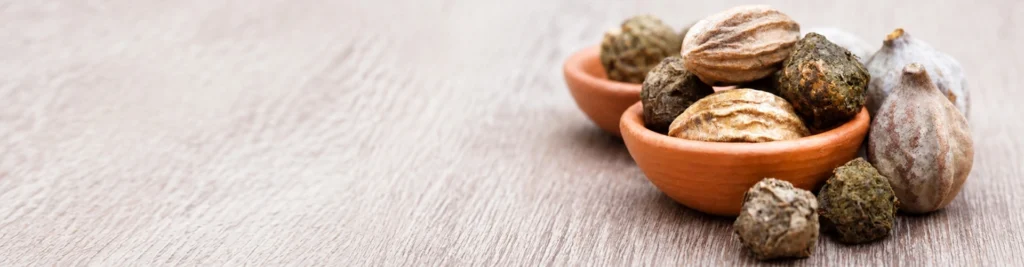






Cococin® is a GRAS affirmed, freeze-dried ingredient from the liquid endosperm of fresh green coconuts (Cocos nucifera). In view of its inherent nutritional significance, it has been rightly trademarked as “The Nourishment Factor®”, offering a valuable nutrient pool for enhancing food and beverage formulations.
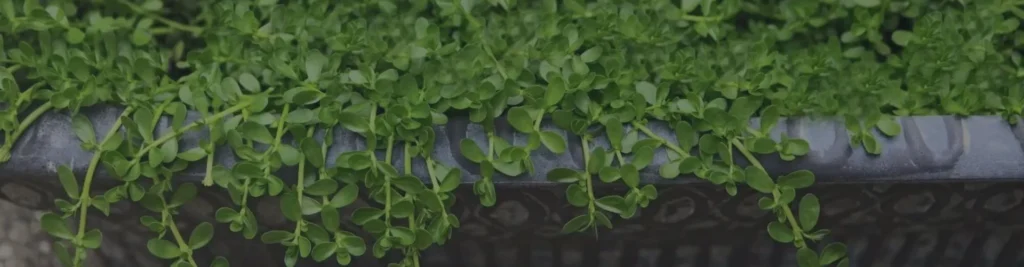

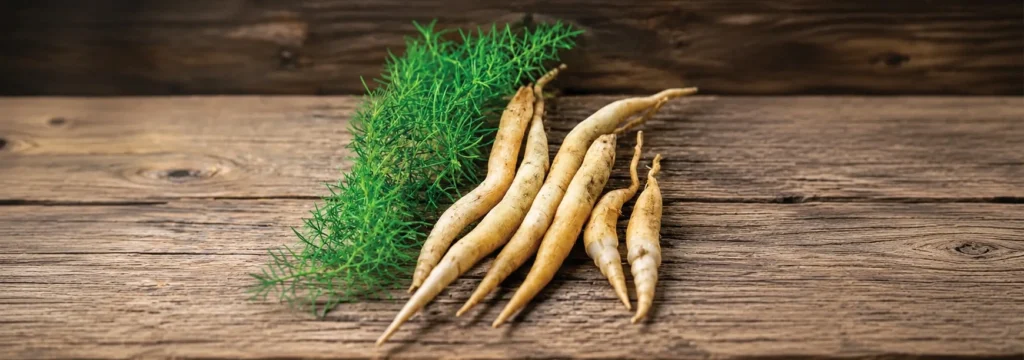
Bacopin® is an extract prepared from the dried stems and leaves of Bacopa monnieri, a natural herb traditionally used to support memory and cognitive health. It is standardized to contain Bacosides, the key active compounds associated with its beneficial effects, to support healthy brain function. Bacopin® is available in different strengths standardized to 20%, 40%, and 50% Bacosides.
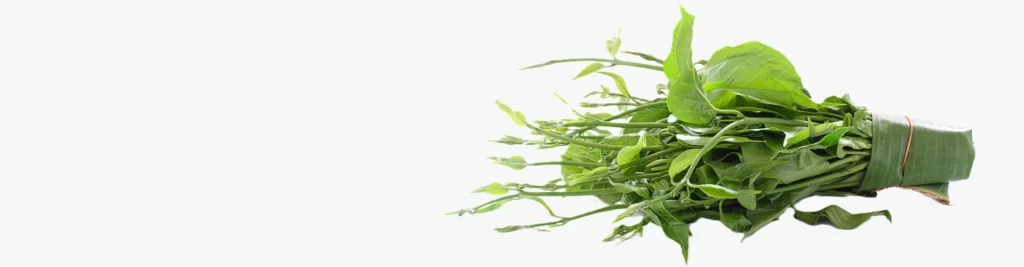
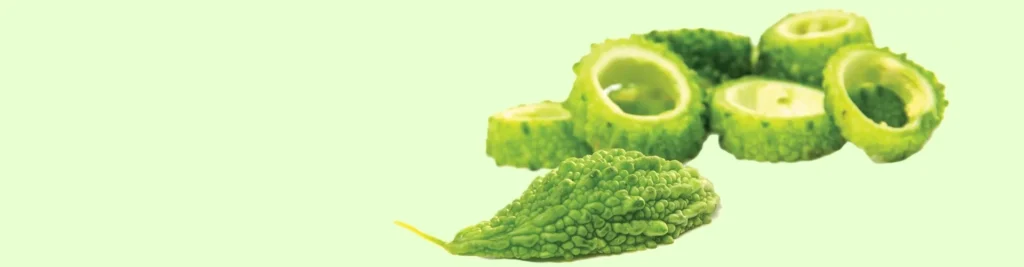


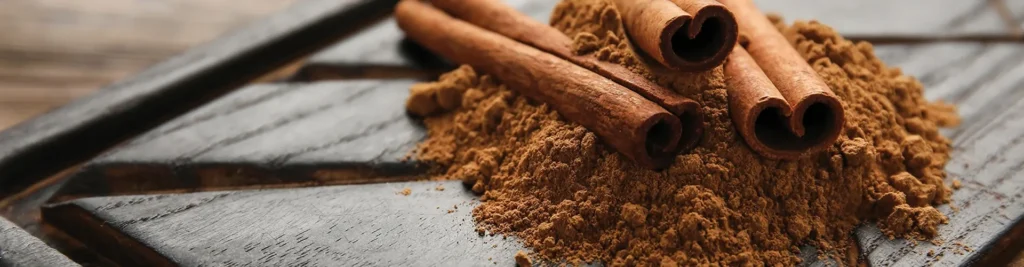






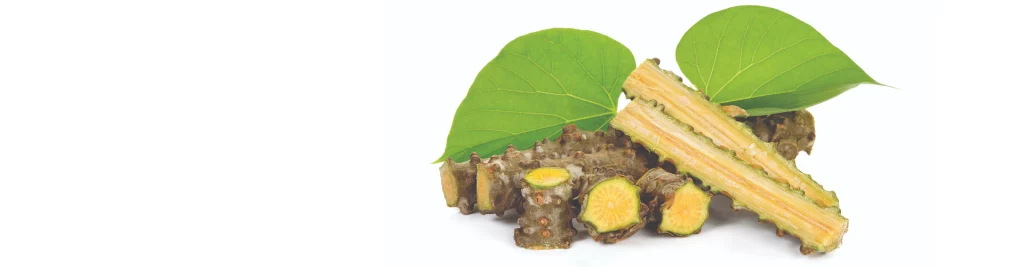



A patent protected, clinically evaluated standardized extract prepared from the dried bark of the Indian trumpet tree (Oroxylum indicum), containing a minimum of 10% Oroxylin A, 15% Baicalein, 6% Chrysin. It helps to support healthy cognitive function, memory, concentration, focus and neuronal functions.
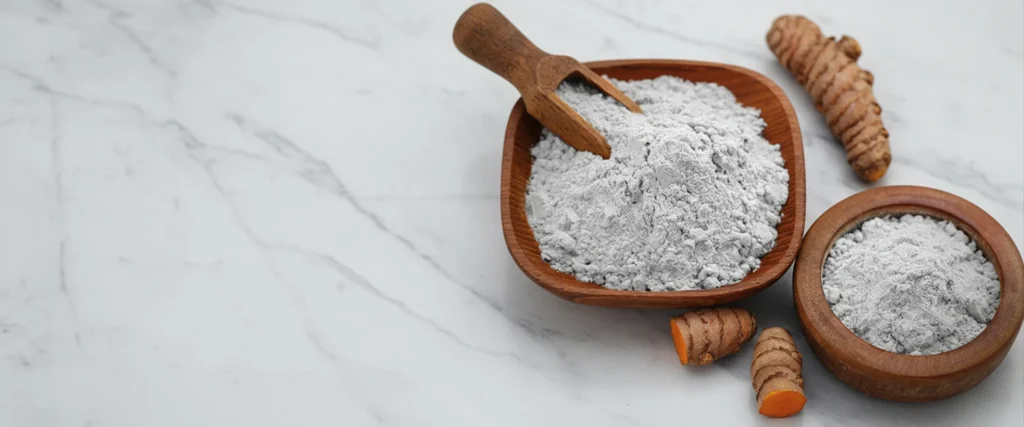

CurCousin® is a branded nutritional ingredient containing the bioactive Calebin A (analog of Curcumin) with self-affirmed GRAS status. It is a curcumin analog naturally present in Curcuma longa / cassia (Black Turmeric). CurCousin® is a patented dietary ingredient that has been studied in clinical research and is used in supplements to support healthy weight goals, healthy lipid metabolism, and overall metabolic wellness.


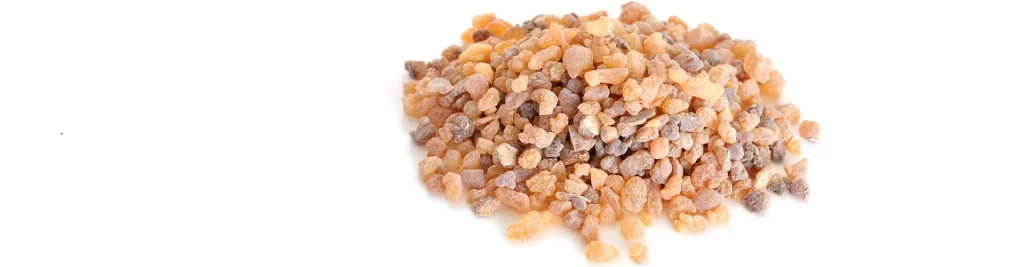

Boswellin® is a premium standardized extract obtained from the gum resin of Boswellia serrata (known as Frankincense or Olibanum). This extract contains key pentacyclic triterpenoids with a standardized composition of 70% Boswellic Acids, 20% β Boswellic Acids, and 2% Acetyl-11-keto-β-Boswellic acids (AKBBA).
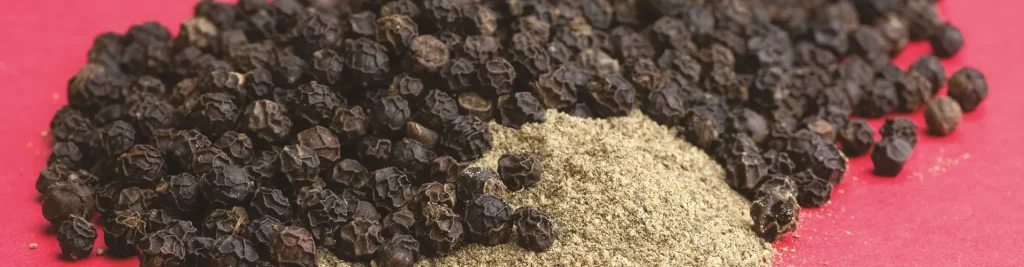




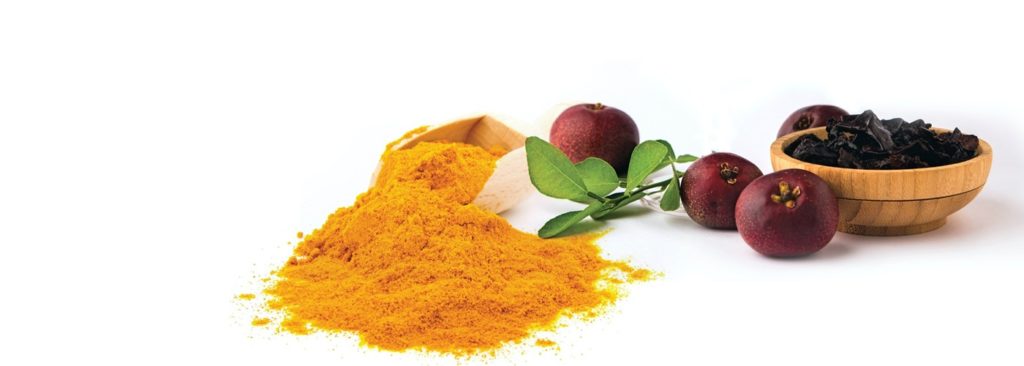

LivLonga® from Sabinsa is a US patented, unique blend of three scientifically validated natural ingredients, including Curcumin C3 Complex® (Curcuma longa extract), Livinol® (Garcinia indica extract), and the bioavailability enhancer BioPerine® (Piper nigrum extract), to support healthy liver function.


The Intersection of Research and Revolutionary Ideas
The R&D center is a true innovation epicenter, which focuses onfinding ways to constantly improve productivity, cost reduction, quality, and new product development without sacrificing the science behind its research. To achieve this, several independent divisions use a synergistic approach by working together to profile the product, ensuring it meets international standards.
Turning Ideas into Reality
With a combination of planning, action, and perseverance, we are turning ideas into reality.

Sustainability
Sabinsa has adopted four fundamental sustainability tenets.
HUMAN SUSTAINABILITY: Sabinsa is mindful of the well-being of its workforce and maximizing their potential. The company strives to motivate its team to be resilient, inclusive and high-performing at work.
Know More
Founder's Desk
The Late Dr. Muhammed Majeed was born and raised in Kerala, India. He had over 45+ years of experience in the pharmaceutical, biotechnology, molecular biology, nutritional, and cosmetic industries.
As a researcher, scientist, entrepreneur, and business leader, Dr. Majeed pioneered the development of standardized herbal extracts from India’s Ayurvedic plants and created a global market for them. He founded and, for 36 years, led Sabinsa into becoming a leading leading multinational health & life sciences company.
Know MoreGlobal Presence
Sabinsa upholds a robust global presence, with offices and facilities across multiple continents to serve clients in the health and nutrition industry.

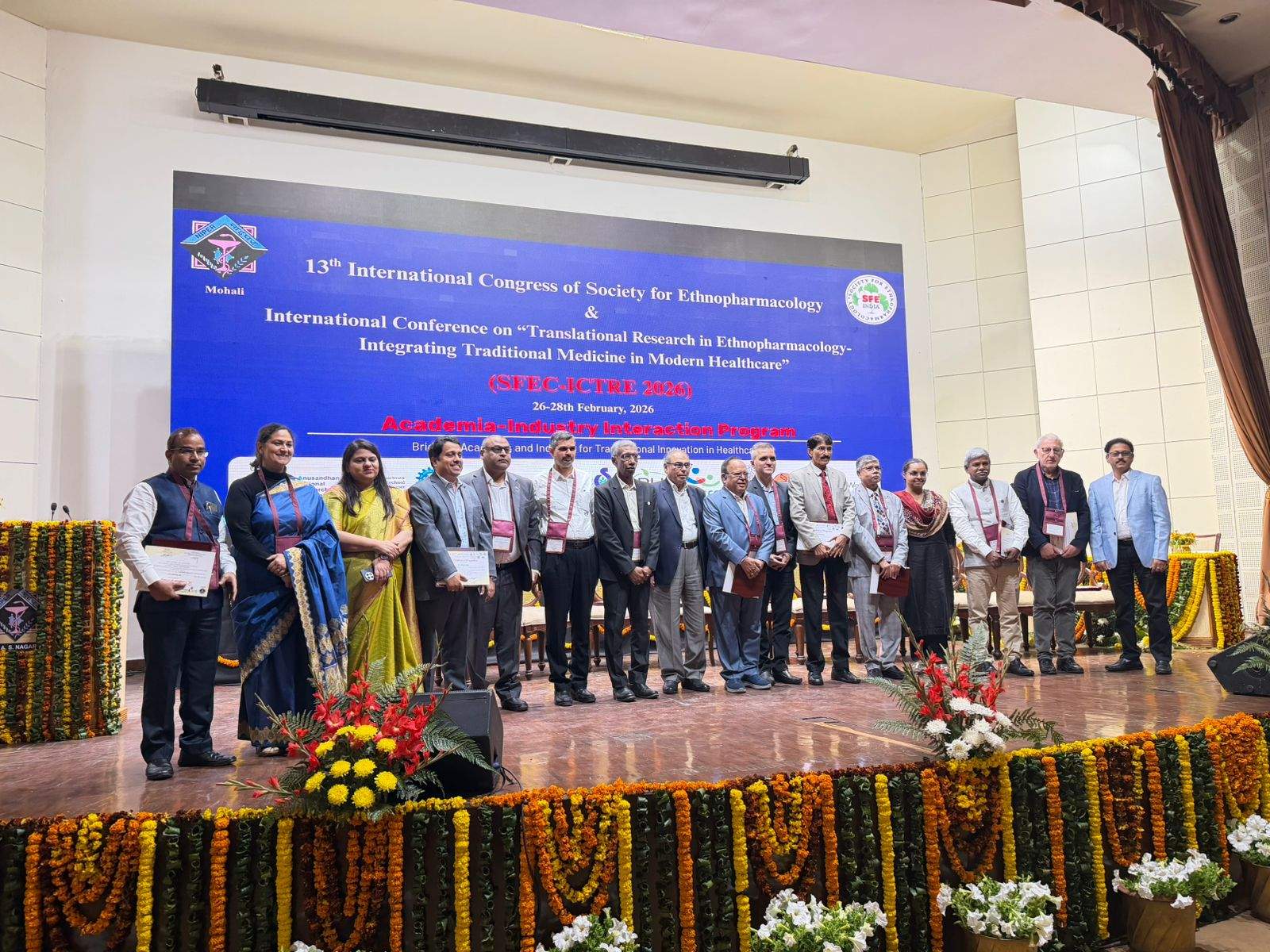
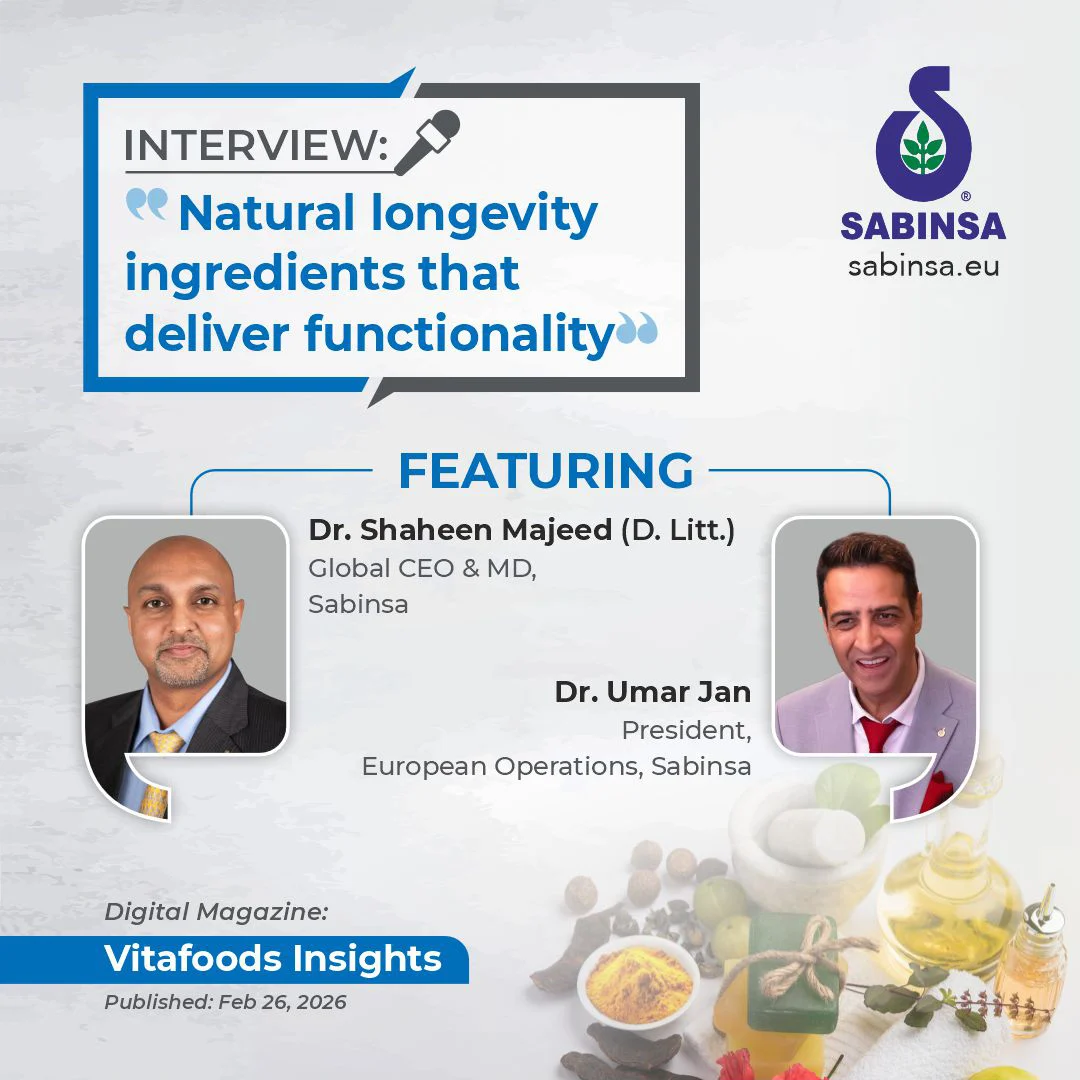
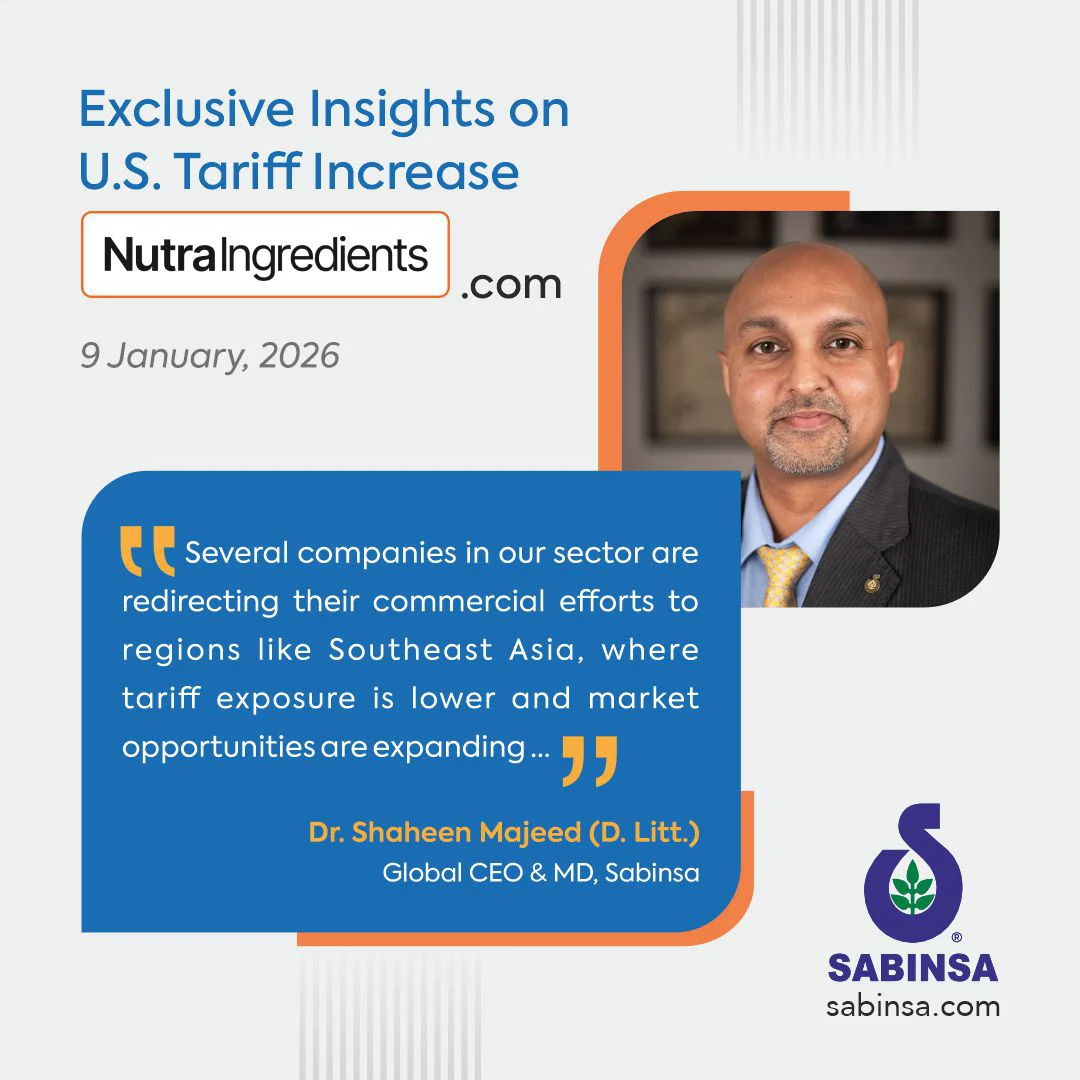
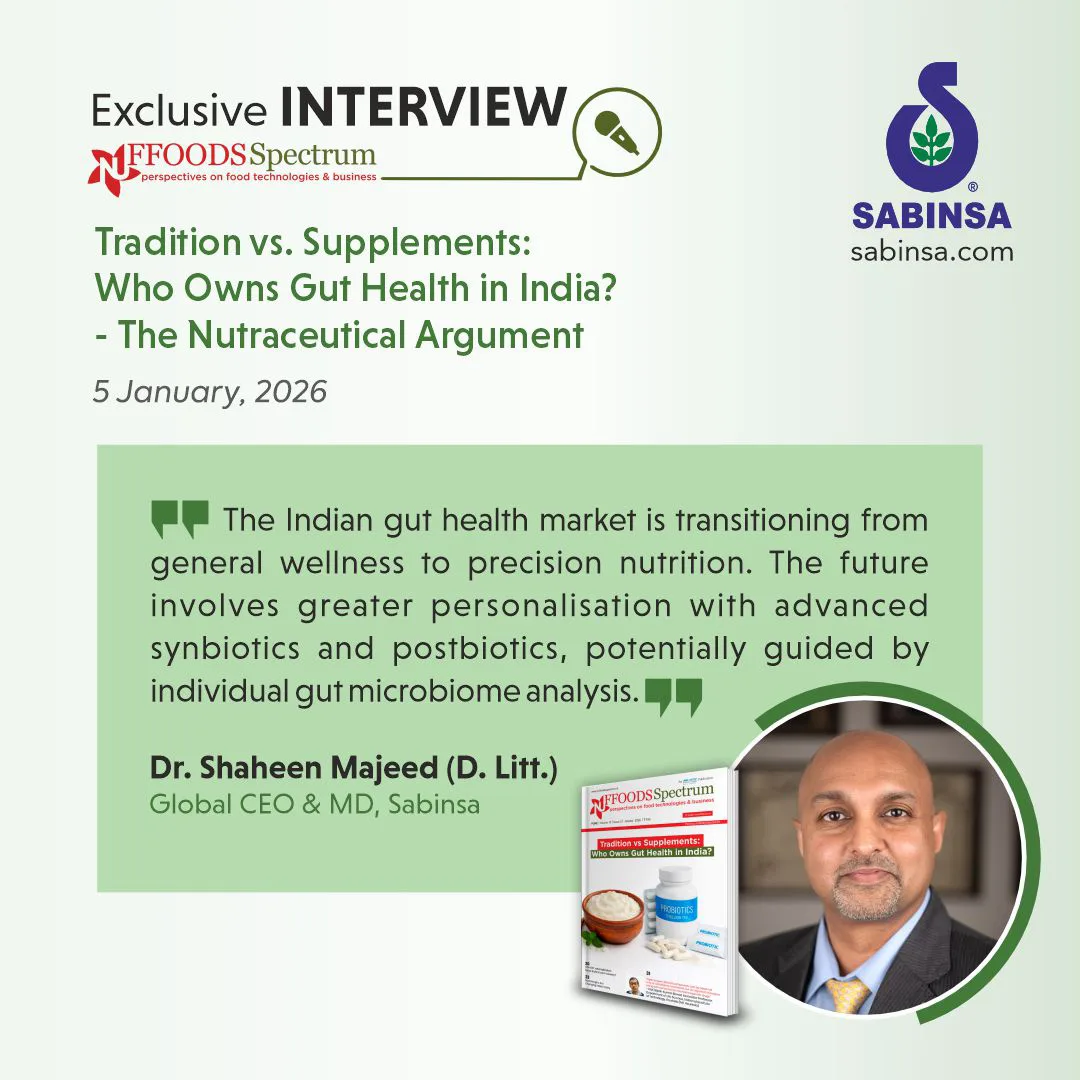
Latest News & Events
Exciting updates & unmissable events, stay informed, stay inspired, and be a part of the action!